Facing a sudden medical crisis or a chronic condition that stops you from working is overwhelming. In Massachusetts, you have options for immediate support while you figure out your long-term financial path. If you are wondering how to apply for temporary disability in Massachusetts, you are likely looking at a state-specific program called Emergency Aid to the Elderly, Disabled, and Children (EAEDC).
This guide explains the pathway to securing EAEDC for eligible residents and how to transition toward more permanent federal support.
Understanding EAEDC: Massachusetts’ Safety Net
The Emergency Aid to the Elderly, Disabled, and Children (EAEDC) program is designed for residents who need financial assistance but do not qualify for other major benefit programs. Unlike federal Social Security, which can take months or years to approve, EAEDC acts as a temporary bridge.
To qualify for disability benefits in Massachusetts through this program, you must meet specific financial and medical criteria. The state defines “temporary” incapacity as a physical or mental health condition that is expected to last at least 60 days. This is a much lower threshold than federal programs, which usually require a disability to last at least a full year.
Eligibility Requirements for State Aid

The Commonwealth has strict rules for who can access these emergency funds. Generally, you must be a Massachusetts resident with very low income and limited assets.
The primary categories for eligibility include:
- Individuals aged 65 or older who are waiting for Supplemental Security Income (SSI) to begin.
- Individuals with a physical or mental disability that prevents them from working for at least 60 days.
- Caregivers of a disabled person who requires constant at-home care.
- Certain participants in the Massachusetts Rehabilitation Commission programs.
How to Apply for Temporary Disability in Massachusetts
The Department of Transitional Assistance (DTA) manages the application process for EAEDC. You can start your application online through the DTA Connect portal, or you can visit a local DTA office to apply in person.
The most critical part of your filing is the medical documentation. You must have your healthcare provider complete a specific DTA Medical Report. This form is the evidence the state uses to verify that your condition prevents you from maintaining employment. Without a clear statement from a doctor confirming a disability of 60 days or longer, the state will likely deny the claim.
The Connection Between State Aid and Federal SSI

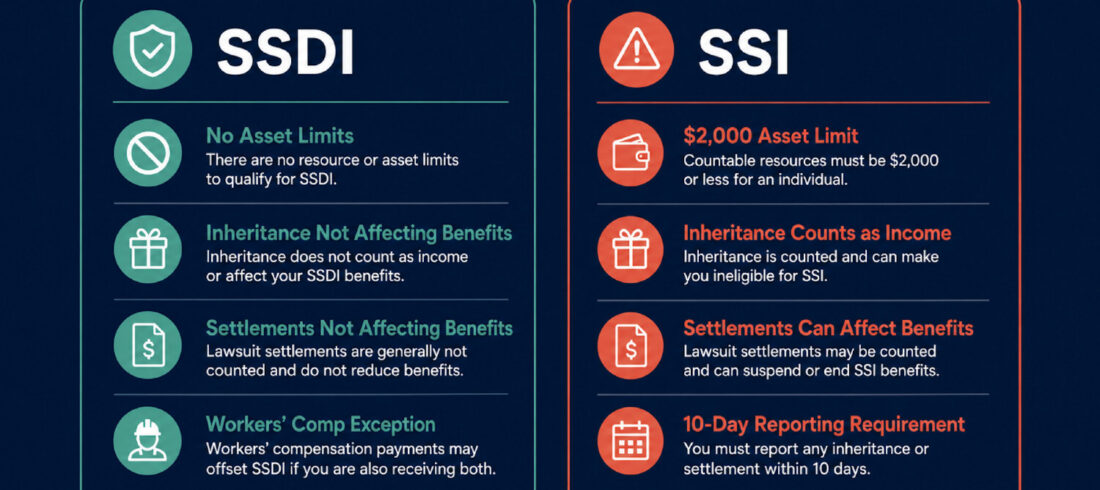
When you receive EAEDC, the state of Massachusetts often requires you to apply for federal Supplemental Security Income (SSI) at the same time. This is because EAEDC is intended as a temporary solution. The state wants to ensure you are pursuing the more robust, long-term support provided by the Social Security Administration.
There is a reimbursement process you should understand. If you are approved for federal SSI, the Social Security Administration will send a retroactive lump-sum payment to cover the months you were waiting for approval. Because the state provided you with EAEDC during that waiting period, they will deduct the amount of state aid you received from your initial federal check to reimburse the Commonwealth. This ensures you aren’t receiving overlapping payments for the same period while ensuring you stay afloat during the processing time.
Strengthening Your Medical Evidence
Whether you are seeking short-term disability in Massachusetts or federal SSDI, the strength of your medical records is the deciding factor. Your records should include:
- Specific diagnoses from licensed physicians or specialists.
- A history of treatments, medications, and your response to them.
- Clinical notes that describe how your symptoms limit daily activities.
- Objective test results, such as MRIs, blood work, or psychological evaluations.
Weak documentation is the most common reason for delays. If your medical provider is vague about your limitations, the state or federal government may assume you are still capable of working.
Moving Toward Long-Term Financial Security
While EAEDC provides vital relief during an emergency, the monthly payments are often significantly lower than federal disability benefits. Relying on state aid indefinitely is difficult. The ultimate goal for most residents with a long-term impairment is to secure Social Security Disability Insurance (SSDI) or SSI.
Federal benefits provide higher monthly payments and access to Medicare or Medicaid, offering much better stability. However, the transition from state aid to federal approval is complex. Many people face denials during their first federal application because the standards for disability are much stricter at the federal level than they are for the Massachusetts EAEDC program.
Common Pitfalls in Massachusetts Filings

Many residents miss out on benefits due to simple administrative errors. Common mistakes include:
- Missing DTA Deadlines: If the DTA requests more information and you miss the deadline, your case will close automatically.
- Incomplete Medical Forms: Doctors often skip sections of the DTA Medical Report, leading to immediate rejections.
- Failure to Update Income: If your household income changes even slightly, you must report it to avoid overpayment penalties.
Contact Us for More About Filing for Disability in Massachusetts
Navigating the gap between state emergency aid and federal long-term benefits is challenging. At National Disability Benefits, we specialize in helping Massachusetts residents understand their options. We focus on the transition from temporary state-level assistance to the long-term security of federal SSDI or SSI.
If you are currently on EAEDC or are planning to apply for disability benefits in Massachusetts, we can help you determine if your condition meets the criteria for higher federal payments. Our team offers free evaluations to review your case and help you avoid the pitfalls that cause delays.
Don’t settle for temporary relief if you qualify for permanent stability. Contact National Disability Benefits today to start your free evaluation and take the next step in your disability claim.