Moving is already a lot. Add a pending SSDI application on top of it and you’ve got a situation most people are completely unprepared for.
The assumption most people make is that the SSA handles it automatically. Some of it does transfer without you doing anything but a lot of it doesn’t. And the parts that don’t transfer on their own can create real problems if you’re not paying attention.
This applies whether you’re just thinking about relocating, already in the middle of a move, or already settled into a new state with a claim still sitting in limbo. The stage you’re at in the process affects what happens next, and it’s worth understanding before something falls through the cracks.
The Part That Doesn’t Change
SSDI is a federal program. That matters. Your benefit amount, your eligibility under the SSA’s rules, your work credits, your earnings record…none of that is tied to any particular state. A monthly benefit of $1,600 in Ohio is still $1,600 in Arizona. The SSA’s definition of disability doesn’t shift depending on where you live.
So the actual substance of your claim travels with you. What doesn’t travel automatically is the administrative side of things. Which office handles your file, who is reviewing it, and how the handoff between state agencies works, that part requires attention.
If Your Initial Application Is Still Pending
When you file for SSDI, your application gets sent to the Disability Determination Services office in your state. DDS offices are state agencies that operate under federal guidelines but function independently. They’re the ones actually reviewing your medical records and making the initial call on your claim.
When you move, the SSA transfers your claim to the DDS office in your new state. On paper that sounds fine. In practice it introduces friction.
The new DDS office gets your file and starts fresh. Records that were already gathered may get re-requested. The new examiner has to get up to speed on your case. If your initial decision was close to being issued before the move, a transfer can push that timeline back by weeks or months. Not because anything went wrong. Just because a handoff takes time.
The single most important thing you can do here is update your address with the SSA the moment you move. Don’t wait until you’re settled. The SSA mails everything, including requests for information that have real deadlines attached. If one of those letters goes to your old address and you miss the deadline, you can end up with a denial that has nothing to do with your medical case. It’s a procedural problem, not a medical one, but the result is the same.
If You’re Already in the Appeals Process
Where things get more complicated is when a move happens mid-appeal. The impact depends entirely on which stage you’re at.
At reconsideration: Same situation as the initial application. Your file moves to the DDS in your new state. Update your address immediately and follow up to confirm the transfer actually happened and your new contact information is in the system.
Waiting for a hearing date: Hearing offices are assigned geographically. Moving to a different area means your case may get transferred to the hearing office closest to your new address. That could shorten your wait if the new office has a lighter backlog. It could also extend it. Contact the SSA right after moving to find out how it affects your specific situation.
You already have a hearing scheduled: This is where people panic. Don’t. Contact the hearing office directly and explain the situation. Many hearings are now done by video, which makes location less of an issue than it used to be. If you need a transfer to a different hearing office, that’s possible but it will likely push your date back. Lay out your options before assuming the worst.
After an ALJ decision: If you’re waiting on payment after an approval or your case is at the Appeals Council level, a move is much less disruptive. Update your address, make sure your direct deposit information is current, and let the federal process run. Payment processing isn’t tied to state jurisdiction the way the earlier stages are.
SSI Is a Completely Different Situation
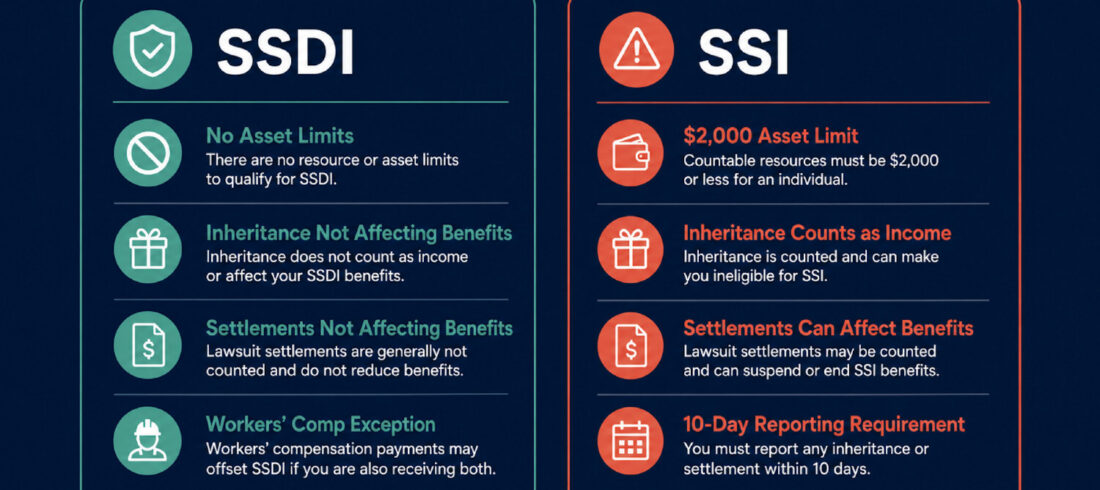
If SSI is part of your picture, either instead of SSDI or alongside it, a move creates a separate set of complications worth understanding on their own.
SSI is federal but some states add a supplemental payment on top of the federal amount. Those supplements are administered by the state, not the SSA, and they vary a lot. Moving from a state with a generous supplement to one with no supplement could reduce your monthly payment in a meaningful way. Moving in the other direction could increase it.
SSI also has strict income and asset rules, and some states handle certain exemptions differently. If SSI is part of your situation, research how your destination state handles supplements and what, if anything, changes about your eligibility or payment amount before the move happens rather than after.
Medicaid Does Not Travel With You
This is the one that catches people off guard most often. And it’s the one with the most immediate practical consequences.
Medicaid is a state program. Your coverage ends when you leave the state. Period. It does not automatically transfer. You are not automatically enrolled in the new state’s Medicaid program just because you were enrolled somewhere else.
You need to apply for Medicaid in your new state as soon as you establish residency there. Most states process applications fairly quickly but there will likely be a gap. If you take regular medications or have ongoing treatment, plan for that gap specifically. Make sure you have what you need to bridge it before coverage lapses.
Medicaid rules also vary by state. Eligibility thresholds, what counts as income, what’s covered. If you’re relying on Medicaid for ongoing care, research your new state’s rules before the move, not after you’re already there without coverage.
State Taxes Are Worth a Quick Look Too
The federal tax rules on SSDI don’t change when you move but state tax treatment does, and it varies more than people expect.
Most states don’t tax Social Security benefits at all. Some do, with different income thresholds and different rules about what portion is taxable. If you’re moving from a state that doesn’t tax your benefits to one that does, that’s a real reduction in your net monthly income. The reverse is also true and occasionally works in your favor.
It takes about five minutes to look up your destination state’s treatment of Social Security income. Worth doing before the move rather than finding out on your first tax return in the new state.
What You Actually Need to Do
Concrete steps, in order of importance.
- Update your address with the SSA right away. Through your my Social Security account at ssa.gov, by phone at +1 (682) 424-8583, or in person at a local office. This is the most important thing on the list. Everything else depends on the SSA being able to reach you.
- Follow up on the claim transfer. A few weeks after notifying the SSA, follow up to confirm your file moved to the right DDS office or hearing office in your new state. Don’t assume the transfer happened just because you reported the move.
- Apply for Medicaid in your new state immediately. Don’t wait until your old coverage lapses. Start the application as soon as you have a new address.
- Check your direct deposit if anything changed with your banking. A change of address alone doesn’t affect direct deposit. But if you’re changing banks as part of the move, update that separately with the SSA.
- Find your new local SSA office. The office that handles your case changes when you move. Knowing where it is and how to contact them is worth doing before you need it in a hurry.
The Short Version
Moving with a pending SSDI claim doesn’t restart your case or wipe out what you’ve already built. The federal program itself is portable. Your benefit amount doesn’t change because of a new zip code.
What requires active attention is everything around the edges. The address update. The claim transfer. The Medicaid gap. The state tax situation. None of those things handle themselves.
Get ahead of them and the move doesn’t cost you anything in your case. Ignore them and you’re dealing with avoidable problems on top of an already stressful process.