Neurological conditions represent some of the most challenging post-service health issues veterans encounter. These disorders, which can arise from acute incidents or develop progressively, profoundly impact daily existence, affecting everything from physical mobility to cognitive abilities.
This guide from National Disability Benefits outlines the key elements to help veterans build a robust claim for the benefits they have earned.
Establishing Service Connection: Common Conditions
A successful VA claim is built upon establishing a service connection. The following three categories of neurological disorders are frequently seen in veteran claims:
- Traumatic Brain Injury (TBI): Typically results from concussions, blast exposure, or falls during military service or training.
- Degenerative Diseases (Presumptive): Conditions such as Multiple Sclerosis (MS) and Parkinson’s disease may be considered “presumptive,” meaning the VA presumes a service connection if they are diagnosed within a specific period after discharge.
- Seizure Disorders & Cerebrovascular Events: This category includes epilepsy and strokes, which may be direct results of service or secondary to other service-connected injuries.
The Unique Rating Process for Traumatic Brain Injury (TBI)
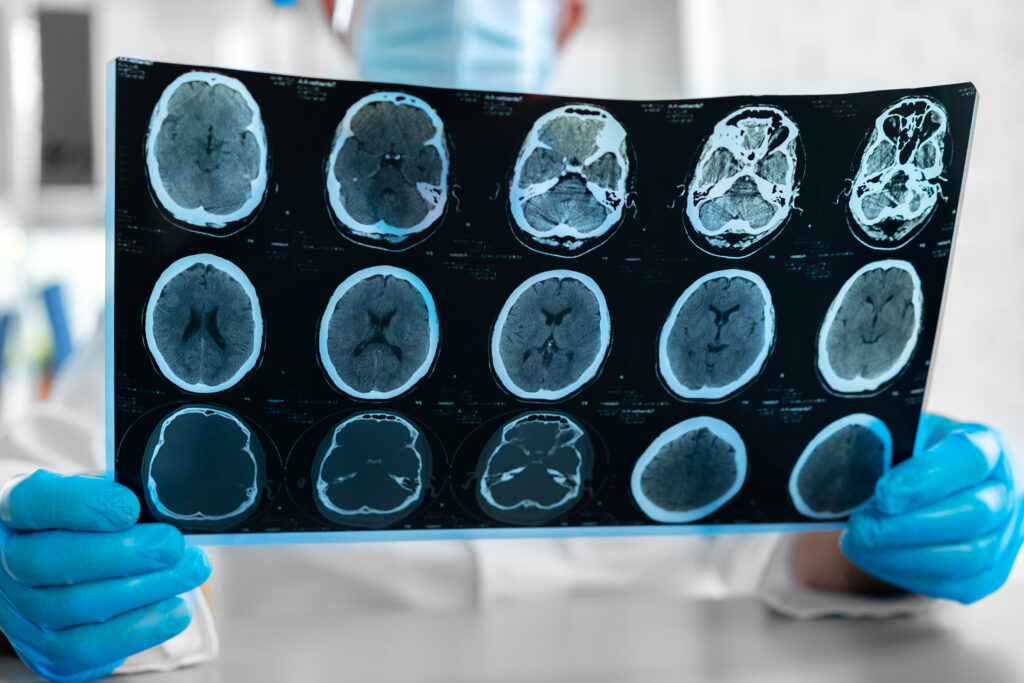
TBI claims are distinctive because the VA does not assign a rating for the injury itself, but rather for its “residuals”: the long-term functional impairments. These residuals are assessed across three domains: cognitive, emotional/behavioral, and physical function.
- Assessment Focus: During the Compensation & Pension (C&P) examination, examiners evaluate ten specific facets of cognitive impairment, including memory, social interaction, and judgment.
- Rating Determination: The veteran’s final TBI residual rating is based on the highest level of impairment found in any single facet. For instance, severe memory deficits, even if coupled with only mild social issues, will determine the rating’s severity.
- Secondary Conditions: Due to the multifaceted nature of TBIs, they often result in secondary ratings for related conditions like depression or chronic migraines, which can increase the overall compensation level.
Rating Criteria for Seizure and Degenerative Disorders
- Multiple Sclerosis (MS): The VA rates MS based on the frequency of acute flare-ups and the extent of permanent residual deficits. A minimum rating of 30% is generally assigned, with higher ratings possible depending on complications such as loss of use of limbs.
- Seizure Disorders (Epilepsy): Ratings are determined by the frequency of seizures, with the VA distinguishing between major (generalized) and minor (partial) episodes. A 100% rating is assigned for frequent major seizures, while less frequent episodes lead to lower, staggered ratings (e.g., 80%, 60%, 40%).
When Your Condition Prevents Work: Total Disability
If your service-connected neurological condition prevents you from maintaining substantially gainful employment, you may be eligible for Total Disability based on Individual Unemployability (TDIU). This benefit provides compensation at the 100% disability rate, even if your scheduled rating is lower.
Important Note on Benefits: It is crucial to remember that VA disability benefits and Social Security Disability Insurance (SSDI) are distinct federal programs. You are legally permitted to receive compensation from both simultaneously. Filing for SSDI can provide an essential additional financial safety net if your neurological disorder keeps you from working.
Contact Us to Learn More About VA Disability Ratings
Securing the correct rating for complex neurological conditions can be difficult. If you are unable to work due to your condition, National Disability Benefits can assist you in filing a powerful SSDI claim to complement your VA benefits.
Contact us online today or call +1 (682) 424-8583 to explore your options and protect your financial future.